10 Key Features to Look for in a Modern Commodity Trading Platform
August 27, 2026Commodity markets can change fast due to inflation, world events, weather, supply problems, currency moves, and changes in demand. For traders, choosing the right market is only part of the process. The tools used to watch prices, study market trends, and place orders also matter.
A modern commodity trading platform should offer more than basic order placement. It should give traders clear market data, useful analysis tools, simple order controls, and risk management features. These tools can make it easier to follow market changes and make informed trading decisions.
1. Real-Time Market Data
Timely information is fundamental to active commodity trading. Prices for instruments such as gold, silver, oil, and agricultural commodities can change rapidly, particularly when major economic or geopolitical developments occur.
A capable platform should provide real-time or near-real-time pricing, bid and ask information, market depth where applicable, and continuously updated charts. Delayed information can make analysis less useful, particularly for traders operating around short-term price movements.
2. Advanced Charting Tools
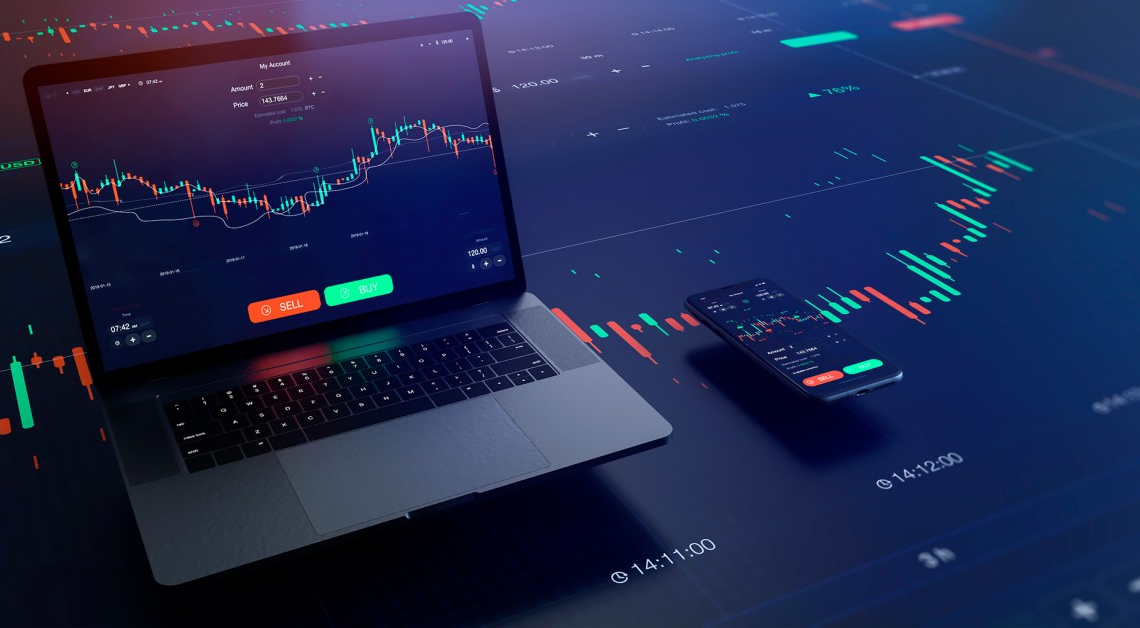
Charts help traders turn raw price information into something easier to interpret. A modern platform should support multiple chart types, timeframes, drawing tools, and technical indicators. Useful features may include moving averages, Bollinger Bands, oscillators, trendlines, support and resistance tools, and customizable layouts.
Traders should also be able to switch between timeframes without navigating through a complicated interface. The objective is not to provide every indicator imaginable. It is to give traders enough flexibility to build an analysis process that fits their strategy.
3. Fast and Reliable Order Execution
When markets become volatile, execution quality matters. A platform should process orders efficiently and provide clear information about order status. Look for support for common order types such as market, limit, stop, and stop-loss orders.
Reliable execution infrastructure can help reduce unnecessary delays between a trading decision and order submission. Execution speed alone, however, should not be treated as a guarantee of profitability. Market conditions, liquidity, spreads, and price movements can all affect the final outcome.
4. Broad Commodity Access
A strong commodity trading platform should offer access to a useful range of commodity markets instead of focusing on just one asset. Depending on the broker and location, traders may find precious metals, energy products, agricultural commodities, and commodity-linked derivatives. Having more choices lets traders compare different markets and find suitable opportunities.
It can also support a more balanced trading strategy. However, traders should understand what they are buying or selling. A commodity CFD, for example, does not mean owning the physical commodity. Knowing the product type, fees, risks, and trading terms is essential before placing a trade.
5. Risk Management Features
Risk management is a key part of trading. A good platform should make it easy to control risk. Traders need tools to set loss limits and manage open trades. Stop-loss and take-profit orders are useful features. They help traders set clear exit levels.
Position size tools can help control trade size. Margin details show how much money is being used. Profit and loss reports help traders track results. These tools cannot remove market risk. They can, however, help traders manage trades with greater control.
6. Mobile and Multi-Device Access
Markets do not pause when a trader leaves a desktop. A modern platform should therefore work effectively across supported devices. Mobile access can be useful for checking positions, reviewing price movements, receiving alerts, or managing orders while away from a primary workstation.
Ideally, the experience should remain consistent across desktop, web, and mobile environments, with account information and trading activity synchronized appropriately. Convenience matters, but usability matters more. A smaller screen should not turn essential trading functions into a maze.
7. Market News and Analytical Insights
Commodity prices are closely connected to real-world events. Oil can react to supply decisions, while precious metals may respond to interest-rate expectations, inflation concerns, or changes in investor sentiment. Access to market news, economic calendars, financial updates, and analytical information can help traders place price movements into context.
Some modern platforms also incorporate sentiment analysis and other data-driven tools. Such information should support independent analysis rather than replace it. News headlines can explain market activity, but they do not automatically indicate what prices will do next.
8. Transparent Trading Costs
A platform can appear attractive until the complete cost of trading becomes clear. Traders should examine spreads, commissions, overnight financing or swap charges, conversion costs, and any other applicable fees. Transparency is particularly important when comparing different account types or trading environments.
A lower headline spread may not necessarily mean a lower overall cost if commissions or other charges apply. Before choosing a platform, traders should review the pricing structure carefully and consider how costs may affect their specific trading frequency and strategy.
9. Security and Account Protection
Trading accounts contain sensitive personal and financial information, making security a core platform requirement. Important safeguards can include encrypted data transmission, secure authentication, account verification procedures, segregated client funds where applicable, and appropriate regulatory oversight.
Traders should also understand which legal entity provides the service and which jurisdiction’s rules apply to their account. Security is not a decorative feature buried in a website footer. It is part of the infrastructure that supports the entire trading relationship.
10. A Recognized and Flexible Trading Environment
Finally, choose a platform that can grow with your trading skills. Beginners may prefer a simple interface and basic order tools. Experienced traders may need advanced charts, automated strategies, custom indicators, and deeper analysis.
Platforms such as MetaTrader 5 combine market access, charting, order tools, and analysis in one place. However, the best choice depends on the markets available, trading costs, platform features, and your goals. Consider your needs carefully before choosing a trading platform that fits your experience and strategy.
Conclusion
Selecting trading software involves more than comparing instruments or looking for low spreads. Traders should consider market data, order execution, analysis tools, risk controls, costs, security, and ease of use. They should also check the broker, available markets, regulations, and trading risks before opening an account.
For traders comparing a stock trading platform with commodity-focused options, AngelSky highlights the importance of choosing technology that supports informed and disciplined decisions. The platform should serve as a practical trading tool while traders remain responsible for their own strategy, research, and risk management.